


Art of War 3:RTS strategy game
4.76.48K Reviews
App Specs
- Version
- 6.7.30
- Updated On
- License
- Free
- Downloads
- 10,000,000+
- Developer
- Gear Games Global
- Categories
- Strategy
- Platform
- Android, iOS
Screenshots
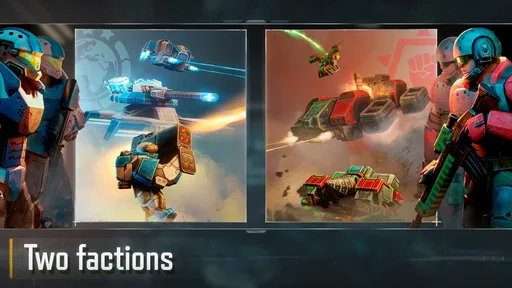
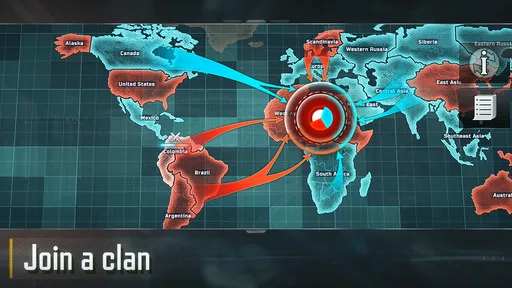
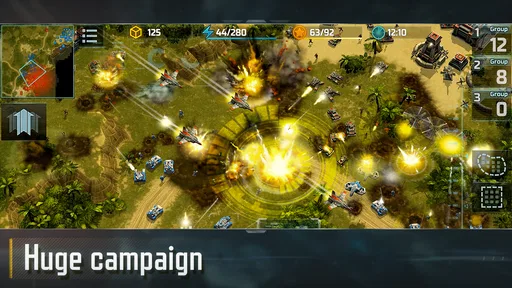
 Analysis by AppCompare
I approached Art of War 3: RTS as a first-time player looking for a strategy game that asks me to think, not just tap through battles. It is a mobile real-time strategy game from Gear Games Global, and its appeal is clear early on: I build a base, direct forces, and make decisions while a match is unfolding. That makes it a better fit for someone who enjoys active battlefield control than for someone seeking a relaxed, hands-off builder.
The first useful thing to know is that this is not simply a game about sending the largest group of units forward. Base development and battlefield choices feed into each other, so a promising attack can turn into a setback if I neglect the rest of my position. I found that tension engaging, though it also means the game can feel demanding when I only have a few spare minutes or want something I can pause mentally without losing the thread.
Getting from the first session to a confident match
When I move beyond learning the controls, I try to make each match a small test rather than a verdict on my skill. I keep one clear objective in mind, watch how the base and battlefield compete for attention, and change only one part of my approach after a setback. That gives me a steadier way to build confidence before taking on more demanding matches.
What to expect when you begin
I remember the first time I fired up Art of War 3: RTS, I was immediately pulled into its dynamic world. The graphics are pretty solid for a mobile game, and the interface is quite intuitive. It’s like they’ve taken the essence of classic RTS games and adapted it for mobile devices.
The tutorial is super helpful, especially if you’re new to RTS games. It eases you into the game mechanics without overwhelming you. I felt like I was learning on the job, which was both engaging and informative. My advice is to treat those early steps as practice in noticing what the interface is telling you, rather than racing to finish each instruction. Learning where to look when several things need attention makes later battles less confusing.
There is a useful distinction between understanding the controls and understanding the pace. The first can come quickly; the second takes repetition. A new player may know how to select troops but still send them away at the wrong moment because the base needs attention. I had a better first experience when I focused on making one clear decision at a time: check what needs building, assess the immediate threat, then choose a sensible unit action instead of issuing commands just to stay busy.
Gameplay and Mechanics
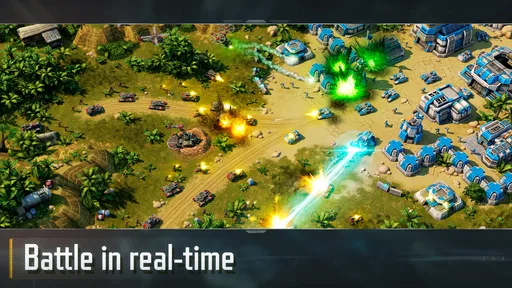
The gameplay is where Art of War 3 truly shines. You’re in charge of building your base, managing resources, and commanding troops on the battlefield. The real-time strategy element means you need to be on your toes, constantly adapting to the changing tides of war.
Worth Reading Before You Choose

Flipboard Shows What News Apps Must Do Beyond the Feed

Switching to Android Auto Means Rethinking Your Driving Routine

Google Calendar Makes a Crowded Week Easier to Manage

Ludo King Makes the Most of the Minutes Between Plans

Baby Panda World Brings Quick Play to Modern Phones, but Its Game Library Feels Busy

ESPN’s Live Game View Makes Following Close Games Easier
One of the coolest features is the ability to control your units with precision. Whether you’re launching a full-frontal assault or setting up a sneaky ambush, the level of control is remarkable. It’s this kind of depth that keeps the game interesting and challenging.
My practical tip is to avoid treating every unit as part of one big attack group. When I keep a portion of my attention on the base and think about what each group is meant to accomplish, I make fewer wasteful moves. Even a basic division of purpose—one force applying pressure while another is held back—can make my decisions feel deliberate. The trade-off is that this extra control asks more of me than a strategy game where units mostly act on their own.
That demand also shapes when I choose to play. A short break can be enough to learn a control or try a mission, but I would not start a competitive match if I knew I had to put my phone down at any moment. A realistic routine for me is to use a quiet stretch after dinner for a focused match, then leave experimentation with new tactics for a session when I have time to pay attention. It is easier to enjoy the challenge when I am not trying to multitask through it.
Finding a first meaningful success
For a newcomer, a good early goal is not a flawless victory. It is finishing a battle with a clearer sense of why one choice worked better than another. I get more from reviewing a single turning point—perhaps an attack I launched too soon or a moment when I should have checked the base—than from making several unexamined changes at once.
Before committing to an assault, I try to ask two quick questions: can I afford to pull attention away from the base, and do my units have a clear job? If the answer to either is no, waiting or repositioning may be more useful than pushing forward. This small pause is a practical way to turn unit control into a plan, rather than a string of frantic taps.
It is also worth making one adjustment at a time when testing a different approach. If I change several parts of my tactic after a loss, I cannot tell which change helped. Keeping the next attempt simple makes progress easier to read and reduces the temptation to blame every defeat on the game. That is especially reassuring for a first-time RTS player: improvement can come from better choices, not from knowing every trick before the first match.
Multiplayer Madness
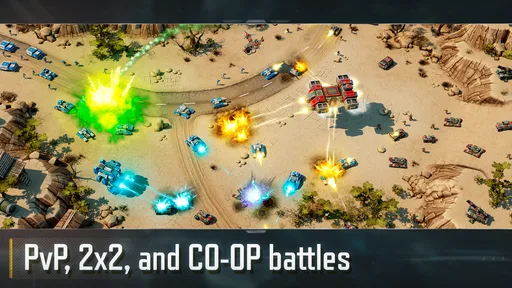
If you’re competitive like me, you’ll love the multiplayer battles. Facing off against real players around the globe adds a layer of unpredictability that AI opponents just can’t match. It’s thrilling, and every victory feels well-earned.
There’s a ranking system, which makes it even more addictive. I found myself playing "just one more match" to improve my standing. And let me tell you, nothing beats the feeling of climbing up that leaderboard!
That competitive pull is also a reason to set a limit before starting. A close result can make another match feel irresistible, but playing while tired is not always a good way to test a new tactic. I prefer to treat a loss as a prompt to identify one decision to improve, rather than immediately queueing again in the hope that a different result will fix my mood. Players who dislike direct competition may prefer a slower single-player strategy experience, where they can take their time without another person reacting to each move.
Customization and Strategy
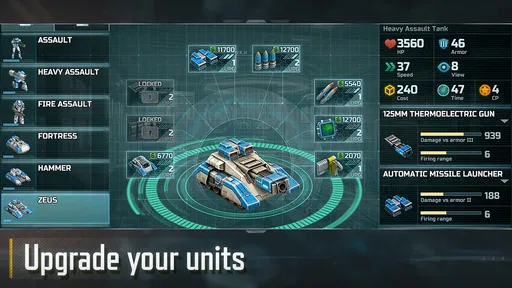
Another aspect I adore about Art of War 3 is the customization options. From upgrading units to choosing different tactics, the game lets you tailor your strategy to suit your style. I spent hours experimenting with different setups, and it’s satisfying when your handcrafted strategy pays off.
The developers have done a fantastic job balancing the game, so no single strategy dominates. This means you always have to stay sharp and think on your feet. It’s a mental workout, but in the best way possible.
For a more useful experiment, I would change a setup in response to a problem I can name. If my plan struggles because I commit too much too early, I can try holding back more carefully; if my approach feels too passive, I can look for a better moment to apply pressure. This makes customization a learning tool rather than a hunt for a supposedly perfect build. The honest limitation is that testing takes attention, and the game will suit players who enjoy learning through trial and error more than those who want a guaranteed route to victory.
How it compares with other strategy games
Compared with a conventional base-building game that rewards checking in, collecting, and waiting, this one puts more emphasis on decisions made during a live battle. Compared with a turn-based tactics game, it gives me less time to stop and plan because the situation keeps moving. That difference is the main reason I would choose it: I want to feel responsible for what happens on the battlefield, not just prepare a layout and return later.
It is not my first recommendation for someone who mainly wants a quiet city builder, a puzzle-like tactics game, or a match that can be interrupted without concern. Those styles make more sense when the player wants to plan at their own pace. Here, the reward is the pressure of managing a base and forces together, and the cost is that I need to stay engaged throughout a match.
Visuals and Sound
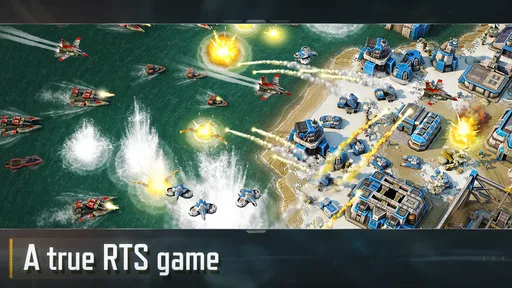
Visually, the game is impressive. The landscapes are detailed, and the units are well-animated. It’s clear the developers put a lot of effort into creating an immersive experience. The sound design is equally commendable, with explosions and battle cries that bring the battlefield to life.
While the graphics might not rival console games, they’re among the best I’ve seen for a mobile RTS. It’s a treat for the senses and makes the gameplay even more engaging. In a busy setting, I still find the visual action useful because it helps make the match feel immediate, but the sound is part of the atmosphere rather than a substitute for watching the field. When I am learning, I pay attention to what units are doing instead of relying on the effects to tell me whether a decision was sound.
Cost, progression, and who should play
The game is free to download, and it is rated Teen. It has an average rating of 4.7 from around 461,000 ratings, with over 10 million installs. Those figures suggest broad interest, but they do not tell me whether its real-time pace is right for a particular player. I would recommend it to RTS fans who like competition, hands-on control, and the satisfaction of adjusting a plan after a setback. I would steer casual players toward a slower alternative if they do not want to keep their attention on an active battle.
Like many free-to-play games, Art of War 3 includes in-app purchases, with individual items ranging from $0.99 to $399.99. While you can certainly enjoy the game without spending a dime, there are options to buy resources and speed up progress. I’ve found that with patience and strategy, it’s perfectly feasible to advance without opening your wallet.
That said, if you’re someone who enjoys accelerating your progress, the purchases are there as an option. It’s all about how you prefer to play! I would decide on a spending limit before browsing optional purchases, especially if the urge to speed up progress tends to make a game less relaxing for me. The free entry point makes it easy to try the core experience first and judge whether the tactical play itself is worth returning to.
Gear Games Global’s strategy game was released on May 22, 2018, and the current version is 6.2.17. It requires Android 6.0 or later. I would check that my device meets this requirement before trying to install it; on a compatible device, the more important question is whether I want real-time battles rather than a slower strategy format. The version information also gives a practical way to identify the release I am considering, without changing what matters most in play: whether I enjoy managing pressure and making decisions as a match develops.
Common points of confusion
One possible source of frustration is expecting a strong army to solve every problem. In a real-time strategy game, the timing and purpose of an order matter alongside the number of units involved. When an attack does not work, I find it more helpful to ask whether I moved at the right time and protected my base than to assume that I simply need to repeat the same move with more force.
Another is confusing customization with a shortcut. Trying a different unit setup can help, but it is not a guarantee that the next match will be easy. I get better results when I use upgrades and tactical choices to address a specific weakness, then give that change a fair test. This makes the learning curve less mysterious and keeps me from changing everything after one disappointing battle.
Finally, the availability of optional purchases does not mean I have to spend to decide whether the game suits me. I can begin by learning the controls and seeing how I feel about its battle pace. If I enjoy improving through practice, patience is a reasonable way to approach progression; if I find waiting frustrating, I can decide whether any optional acceleration is worth it to me before paying.
Final Thoughts
All in all, Art of War 3: RTS is a must-try for any strategy game enthusiast. It’s got depth, excitement, and a community of players that keeps the game alive and kicking. Whether you’re a seasoned RTS veteran or a newcomer to the genre, there’s something here for everyone.
The game has its occasional hiccups, like any mobile game, but they’re minor compared to the overall experience. If you’re looking for a game to sink your teeth into, give it a shot. Who knows? You might just find yourself addicted to the art of war!
Pros
- Engaging real-time strategy gameplay.
- Variety of units and tactics available.
- Frequent updates with new content.
- Active online multiplayer community.
- High-quality graphics and sound.
Cons
- Can be challenging for beginners.
- Requires stable internet connection.
- In-app purchases can be costly.
- Occasional server lag issues.
- High battery consumption on mobile.
FAQs for Art of War 3:RTS strategy game
What is Art of War 3: RTS and what makes it unique?
Art of War 3: RTS is a real-time strategy game that combines classic RTS gameplay with modern graphics and dynamic battles. Uniquely, it offers both player-versus-player (PvP) and cooperative missions. Players appreciate its strategic depth, allowing for base building, resource management, and unit control. The competitive PvP mode stands out, offering a challenging and engaging experience.
Is Art of War 3: RTS free to play, and are there in-app purchases?
Art of War 3: RTS is free to download and play on both Android and iOS platforms. However, it includes in-app purchases that can enhance gameplay, such as additional resources and special units. While the game can be enjoyed without spending money, these purchases can provide an advantage, especially in competitive modes.
What are the system requirements for Art of War 3: RTS?
Art of War 3: RTS requires Android 4.1 or later and iOS 10.0 or later, making it compatible with a wide range of devices. The game is optimized for both smartphones and tablets, ensuring smooth performance. A stable internet connection is necessary for online play, especially for PvP battles and cooperative missions.
How does the multiplayer aspect work in Art of War 3: RTS?
The multiplayer feature in Art of War 3: RTS includes real-time PvP battles where you can challenge players globally. The game uses a matchmaking system to pair players with similar skill levels. Additionally, you can team up with friends for cooperative missions, fostering a collaborative gaming experience. Communication and strategy are key to success.
Can I play Art of War 3: RTS offline?
Art of War 3: RTS requires an internet connection to access most of its features, including PvP battles and cooperative missions. While some training missions might be available offline, the core of the game is designed to be played online to provide a dynamic and competitive environment. An internet connection is essential for full functionality.


